Follow Us

Arthritis Treatment

Arthritis Treatment

What Is Arthritis?

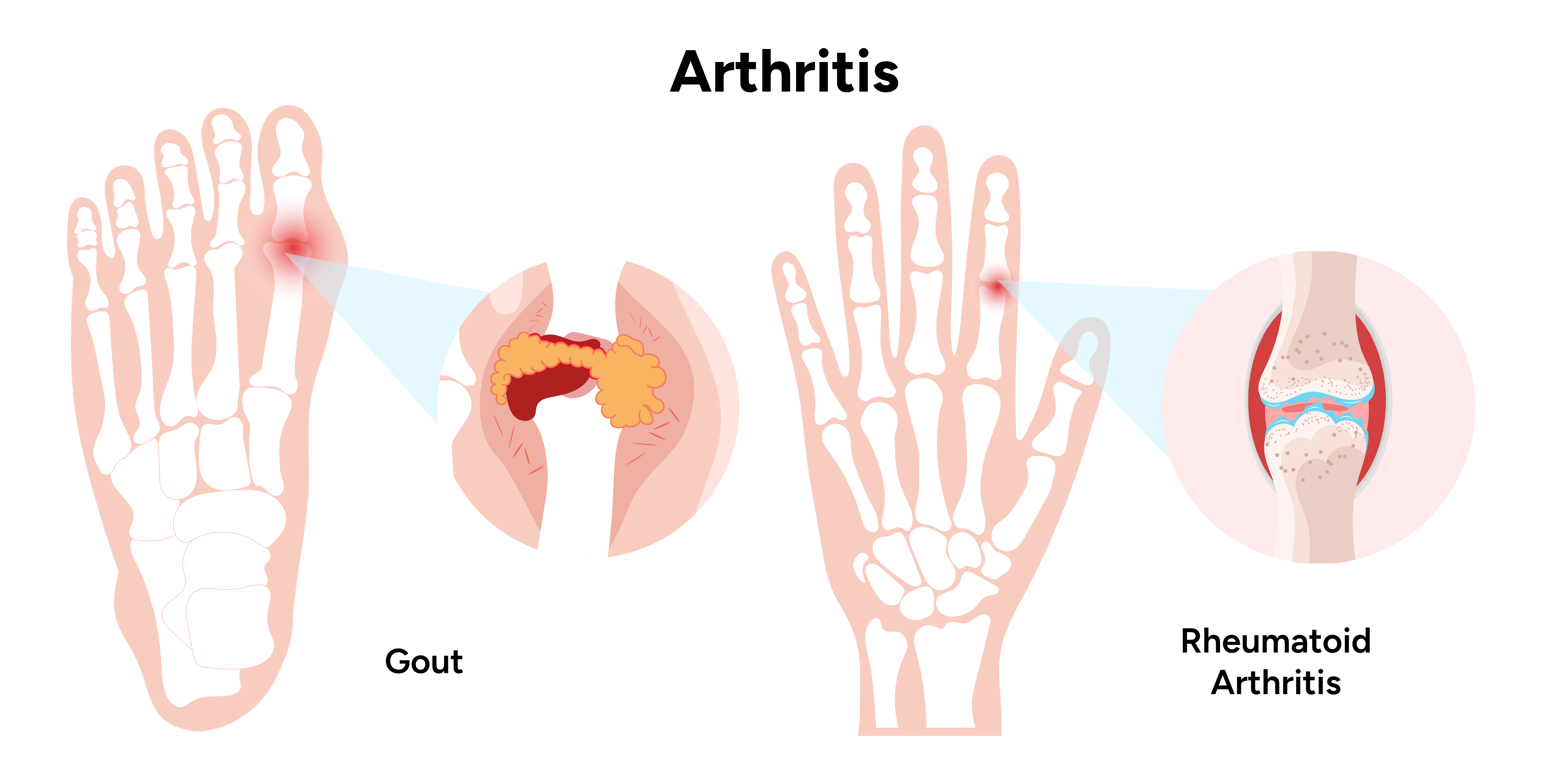
Arthritis means wear, damage or inflammation of a joint. It most often affects the knees, hips, shoulders and hands, and causes pain, stiffness and swelling that slowly make everyday activities like walking, sitting cross-legged or climbing stairs difficult.

The most common type is osteoarthritis, where the smooth cartilage covering the joint wears out with age, weight or an old injury. Other types include rheumatoid arthritis, where the body's immune system attacks the joint, and post-traumatic arthritis that develops after a fracture or ligament injury.

Common Signs Of Arthritis

Arthritis usually starts slowly. See an orthopaedic doctor if you notice any of these signs for more than a few weeks:

  • Joint pain while walking or climbing stairs
  • Morning stiffness in the joints
  • Swelling or warmth around the joint
  • Grinding or clicking sound on movement
  • Reduced bending or straightening of the joint
  • Bowing of the legs or change in walking

Non-Surgical Treatment

Medicines, physiotherapy, weight control, knee braces and joint injections to reduce pain and slow down the damage.

Surgical Treatment

For advanced arthritis, knee or hip replacement and other joint-saving surgeries to give lasting relief.

How Dr. Parth Patel Treats Arthritis

Treatment begins with a detailed examination and X-rays to find the type and stage of arthritis. In early and moderate stages, most patients do well with medicines, a guided exercise programme, lifestyle changes and, when useful, joint injections. The aim is to reduce pain, keep the joint moving and delay surgery for as long as possible.

When the joint is badly worn and pain does not settle with these measures, Dr. Parth Patel discusses surgical options such as knee replacement or hip replacement. Every option is explained clearly, so you can make the decision that is right for you.

Frequently Asked Questions

Worn cartilage does not grow back, but the right treatment can greatly reduce pain, improve movement and slow down further damage. In advanced cases, joint replacement replaces the damaged surfaces and gives long-lasting relief.

Yes. Regular, comfortable walking and specific strengthening exercises help the joint. Avoid activities that cause sharp pain, such as squatting or sitting cross-legged for long. Your exercise plan will be explained at the visit.

In selected patients, joint injections can reduce pain and swelling for a period of time. Whether they are suitable depends on the type and stage of arthritis, which is decided after examination.

Replacement is advised when arthritis is severe on X-ray and pain limits walking, sleep or daily work despite medicines and physiotherapy.