Follow Us

Knee Replacement

What Is Knee Replacement?

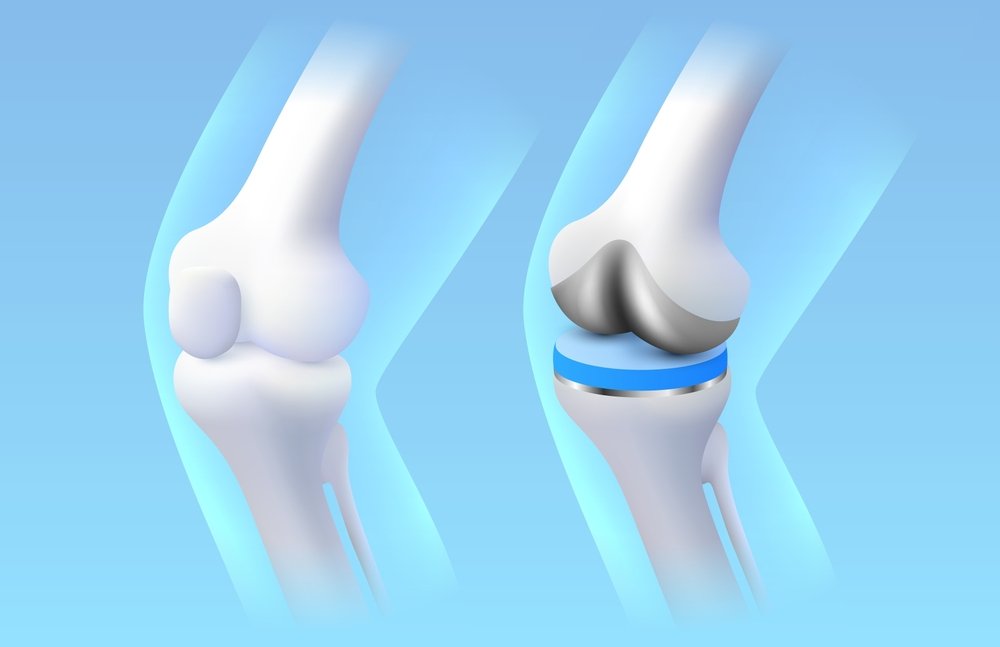
Knee replacement is surgery in which the worn-out surfaces of the knee joint are replaced with smooth artificial parts (implants). It is mainly done for severe knee arthritis, when the cartilage has worn away and the bones rub against each other, causing constant pain and stiffness.

In a total knee replacement, all the joint surfaces are replaced. In a partial (unicompartmental) knee replacement, only the damaged part of the knee is replaced. The right option depends on your X-rays, age and activity level.

When Is Knee Replacement Needed?

Knee replacement may be advised when medicines, physiotherapy and injections no longer help and you have:

  • Knee pain while walking or climbing stairs
  • Knee pain at night or at rest
  • Stiffness and difficulty bending the knee
  • Bowing of the legs (bow legs)
  • Swelling that keeps coming back
  • Difficulty doing daily work

Total Knee Replacement

All surfaces of the knee are replaced for advanced arthritis, giving lasting pain relief.

Partial Knee Replacement

Only the damaged part is replaced when arthritis is limited to one side of the knee.

Recovery After Knee Replacement

Most patients stand and walk with a walker within a day or two of surgery. Physiotherapy starts in the hospital to bend and straighten the new knee, and continues at home with a simple exercise plan.

Most people walk independently and return to daily activities in about 6 to 12 weeks. If your knee pain is still in an early stage, see our arthritis treatment first.

Frequently Asked Questions

Modern knee implants usually last many years. Keeping a healthy weight and staying active helps the new knee last longer.

Pain is controlled with modern anaesthesia and medicines. Most patients find the pain after surgery is less than the arthritis pain they had before, and it reduces day by day.

In selected patients with good general health, both knees can be replaced in the same sitting. This is decided after a full check-up.

Many patients can bend the knee well, but sitting cross-legged and squatting are usually best avoided to protect the new joint.