


Joint Pain Treatment
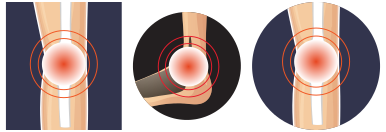
 Pain lasting more than two weeks
- Swelling, redness or warmth in a joint
- Stiffness that limits movement
- Clicking, locking or giving way
- Pain that disturbs your sleep
- Joint pain after a fall or injury
Accurate Diagnosis
Detailed examination with X-ray, MRI or blood tests when needed to find the real cause.
Personalised Treatment
Medicines, physiotherapy, injections and lifestyle advice planned for your condition.
Frequently Asked Questions
No. Joint pain can also be caused by ligament or tendon injuries, inflammation, gout, overuse or posture problems. A proper examination helps find the exact cause.
A cold pack usually helps fresh injuries and swelling, while warmth can ease long-standing stiffness. Ask your doctor what is right for your condition.
Not always. Many problems are diagnosed with examination and X-rays. MRI is advised when a ligament, cartilage or soft tissue injury is suspected.
The right exercises strengthen the muscles around the joint and reduce pain. Exercises that cause sharp pain should be avoided until you are guided.